
What Is My Birthstone? Free Birthstone Finder
Find your birthstone by star sign, birth date, or month — with the stones from both the UK and US birthstone lists, their colours and meanings. Then shop matching birthstone jewellery at ifshe.
Find your birthstone by month
Pick your birth month to see its birthstone, colour and meaning — with the stones from both the US modern and UK birthstone lists.
Find your birthstone by birth date
Enter the month and day you were born to see your month birthstone and your zodiac stone together. (No year needed.)
Find your birthstone by zodiac sign
Choose your star sign to see its traditional zodiac stone, colour and meaning.
Your birthstone
Shop birthstone jewellery at ifshe
Personalise a piece with your birthstone — you'll choose your stone on each product page.
🎁 Shopping for someone else? Birthstone gifts for Mum →
Full birthstone chart by month (US & UK)
| Month | US birthstone (modern) | UK birthstone (NAG list) | Colour |
|---|---|---|---|
| January | Garnet | Garnet | Deep red |
| February | Amethyst | Amethyst | Purple / violet |
| March | Aquamarine, Bloodstone | Aquamarine, Bloodstone | Sea-blue & green |
| April | Diamond | Diamond, Rock Crystal | Clear / white |
| May | Emerald | Emerald, Chrysoprase | Lush green |
| June | Pearl, Moonstone, Alexandrite | Pearl, Moonstone | Creamy white |
| July | Ruby | Ruby, Carnelian | Vivid red |
| August | Peridot, Spinel, Sardonyx | Peridot, Sardonyx | Lime green |
| September | Sapphire | Sapphire, Lapis Lazuli | Deep blue |
| October | Opal, Tourmaline | Opal | Iridescent |
| November | Topaz, Citrine | Topaz, Citrine | Golden yellow / amber |
| December | Tanzanite, Turquoise, Zircon | Tanzanite, Turquoise | Blue / blue-violet |
Highlighted rows are months where the US modern and UK lists differ; in each case the difference is an extra stone that appears on only one list. Sources: American Gem Society (US modern) and the National Association of Goldsmiths (UK). Zodiac stones are traditional and not officially governed.
US vs UK birthstones — why they differ
Every stone the UK list names first for a month also appears on the US list; the two lists differ only in the extra stones each one adds. The UK list is published by the National Association of Goldsmiths (NAG), which first standardised British birthstones in 1937. It adds Rock Crystal for April, Chrysoprase for May, Carnelian for July and Lapis Lazuli for September. The US modern list, first set by the American jewellery trade in 1912, adds Alexandrite for June, Spinel for August, Tourmaline for October and Zircon for December instead. Our finder shows both lists, so you can see every stone for your month.
Birthstone colours and meanings
Each birthstone carries a traditional colour and symbolism. Garnet is deep red for protection and friendship; emerald is lush green for rebirth and love; sapphire is deep blue for wisdom and loyalty. These meanings are part of long-standing tradition rather than scientific fact — use the finder above to see the colour and traditional meaning for your own stone.
Month birthstone vs zodiac stone
Your month birthstone comes from the modern calendar-month system, while your zodiac stone follows your astrological star sign, whose dates straddle two months. Because the two systems line up differently, your month stone and zodiac stone can be different gems. Use the By birth date mode above to see both at once.
Shop birthstone jewellery
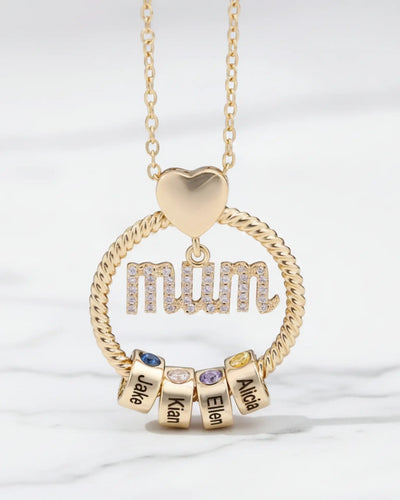
Personalised pieces you can set with any birthstone — a meaningful gift for yourself or someone you love.



Birthstone questions, answered
What is my birthstone?
Your birthstone is the gem traditionally associated with the month you were born. Pick your month, birth date, or zodiac sign in the finder above to see your stone, its colour, and its traditional meaning — along with the stones on both the US modern and UK birthstone lists.
What are the 12 birthstones by month, in order?
January Garnet, February Amethyst, March Aquamarine, April Diamond, May Emerald, June Pearl, July Ruby, August Peridot, September Sapphire, October Opal, November Topaz, and December Tanzanite. Each of these is on both the US modern list and the UK list published by the National Association of Goldsmiths. See the full chart above for alternative stones and colours.
Why are US and UK birthstones different?
They come from two lists. The US modern list was first set by the American jewellery trade in 1912 and has been expanded since — Tanzanite was added in 2002 and Spinel in 2016. The UK list is published by the National Association of Goldsmiths (NAG), which first standardised British birthstones in 1937. Every stone the UK list names first for a month is also on the US list, so the differences are in the extra stones: the UK list adds Rock Crystal (April), Chrysoprase (May), Carnelian (July) and Lapis Lazuli (September), while the US list adds Alexandrite (June), Spinel (August), Tourmaline (October) and Zircon (December).
What's the difference between my birthstone and my zodiac stone?
Your birthstone is tied to your calendar birth month, while your zodiac stone follows your astrological star sign, whose dates run across two months (for example Taurus is 20 April to 20 May). Because the two systems line up differently, your month birthstone and zodiac stone can be different gems. Use the By birth date mode above to see both at once.
Can I wear a birthstone that isn't mine, or give one as a gift?
Yes. There are no rules about only wearing your own birthstone — many people wear a partner's, child's, or parent's stone, or simply choose a colour they love. Birthstone jewellery is one of the most popular personalised gifts precisely because it carries someone's birth month. If you're shopping for someone else, find their month above, then browse matching pieces.
Are birthstones against Christianity?
Birthstones actually have biblical roots: the idea is widely traced to the breastplate of Aaron in the Book of Exodus, which held twelve gemstones representing the twelve tribes of Israel. Most people, including many Christians, wear birthstones simply as meaningful jewellery with no religious conflict. Some prefer to focus on the birth-month tradition rather than any astrological meaning. Ultimately it's a personal choice, and wearing a birthstone is not inherently tied to any belief system.
What are the benefits of wearing your birthstone?
Across many cultures, birthstones have traditionally been associated with qualities such as protection, calm, confidence, and good fortune — for example garnet for friendship or amethyst for clarity. These meanings are part of long-standing tradition rather than proven scientific or medical effects. The real, lasting benefit for most people is owning a piece of jewellery that is personal and meaningful, tied to their own birth month or a loved one's.
What is the difference between modern and traditional birthstones?
Traditional birthstones reflect older, historic associations for each month, while modern birthstones come from standardised lists created for consistency — in the US, the list set by the jewellery trade in 1912 and updated since. Modern lists sometimes add newer or more available gems, which is why the US added Tanzanite in 2002 and Spinel in 2016. The finder above compares two standardised lists side by side: the US modern list and the UK list published by the National Association of Goldsmiths.
Which months have more than one birthstone?
Most do. On the UK list published by the National Association of Goldsmiths, every month except January, February and October has an alternative stone — for example Ruby or Carnelian for July, and Tanzanite or Turquoise for December. The US modern list gives March, October and November two stones each, and June, August and December three. Multiple stones give you more colours and price points to choose from for the same month.
How do I find someone else's birthstone if I only know their star sign?
Use the By zodiac sign mode above. Each sign has a traditional zodiac stone — for example Capricorn is Garnet and Taurus is Emerald. If you know their exact birth date, the By birth date mode will also show their calendar month birthstone, which is the most common choice for a gift.